Donating a well in Africa costs between 1,500 and 15,000 euros and supplies 750 to 1,800 people with clean drinking water. Viva con Agua, founded in 2006 in Hamburg, has reached 3.8 million people across eleven African countries together with Welthungerhilfe. Entrepreneurs can specifically finance complete wells and track the impact.
Table of Contents
- 1. How a Speedboat Conversation Made Me a Well Donor
- 2. Why Water Changes Everything
- 3. What Is Viva con Agua?
- 4. How Much Does a Well in Africa Cost?
- 5. What Impact Does a Single Well Have?
- 6. In Which Countries Does Viva con Agua Build Wells?
- 7. How to Donate a Well - Step by Step
- 8. How Transparent Is Viva con Agua?
- 9. Frequently Asked Questions
How a Speedboat Conversation Made Me a Well Donor
Necker Island, Richard Branson's private island. I'm sitting in a workshop with entrepreneurs from around the world. One of the speakers is Michael from Viva con Agua. He talks about clean drinking water in Africa, about wells, about children. That evening I tell him: 'I'll donate a well.' But honestly, it hadn't truly hit me yet.
The next day we're sitting on the bow of a speedboat, heading back from Necker Island. I'm letting the workshop sink in - how emotional it was, what we all took away from it. The ideas, the techniques, the personal stories. The feeling that you're not alone with your inner struggles. And then I ask Michael again. Properly this time. Not the workshop presentation, but the real numbers: how many children are affected. What happens when no well is built. What a single well means for an entire community.
And then it hits me. Hard.
We turn on the tap every morning and water comes out. We shower. We flush the toilet. We drink tap water from a glass. That's the most natural thing in the world for us. And for 771 million people, it's not. Girls walk six kilometers a day for a single canister. Children die of diarrhea because the only water they have is contaminated. And we flush our waste down with clean drinking water.
In that moment on the boat, I knew: the world needs to know about this. It's so essential, so fundamental - and at the same time so invisible because it doesn't affect us. That's why I'm writing this article. Not as marketing. Not as self-promotion. But because I want you to understand what a single well means - and how easy it is to finance one.
On the speedboat back from Necker Island - the conversation with Michael that changed everything. Music: 'Smelling Dolphins' (original composition)
Why Water Changes Everything
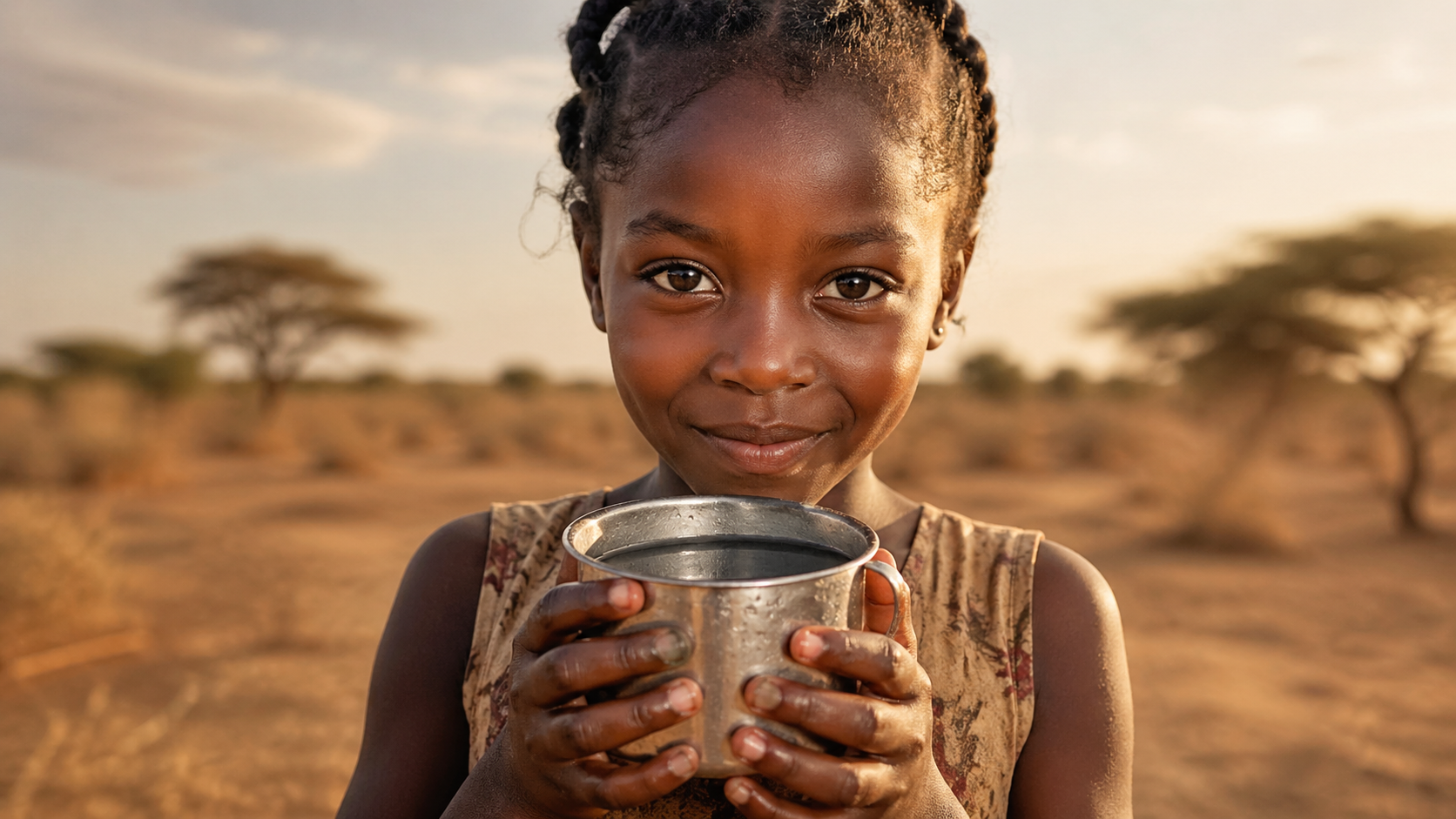
771 million people worldwide lack access to clean drinking water. The majority live in sub-Saharan Africa. Women and girls walk an average of six kilometers daily to fetch water - time that's missing for education, work and family. According to the WHO, over 500,000 people die annually from diarrheal diseases caused by contaminated water. Children are hit hardest.
A single well reduces disease in a community by up to 80 percent. When girls no longer have to fetch water, they attend school - in Viva con Agua projects, school attendance rates for girls rose by up to 30 percent. Women who previously spent six hours daily collecting water suddenly have time for productive work - small businesses emerge, markets grow. Every euro invested in water supply generates four to twelve euros in economic value.
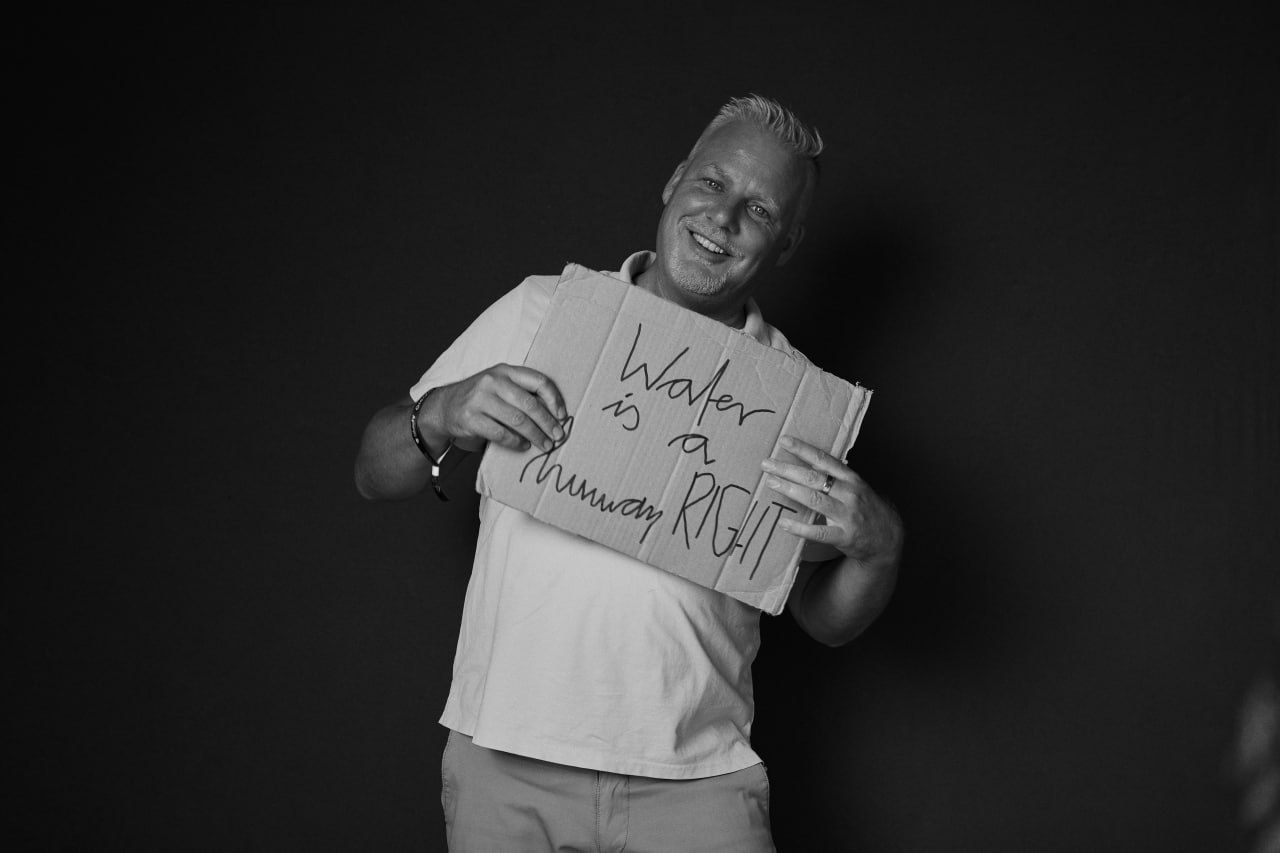
Since 2010, the United Nations have recognized access to clean drinking water as a human right. Yet the infrastructure is missing. Well donations close this gap - not as charity, but as investment in implementing a fundamental human right. That's exactly why I'm holding the sign: 'Water is a human RIGHT.'
What Is Viva con Agua?
Viva con Agua de Sankt Pauli e.V. was founded in 2006 in Hamburg by Benjamin Adrion, a former professional footballer at FC St. Pauli. After a trip to Cuba where he witnessed the drinking water shortage firsthand, he started the initiative. Today Viva con Agua employs 42 staff and coordinates 15,000 volunteers. For his commitment, Adrion received the Federal Cross of Merit. In 2023, Viva con Agua was awarded the German Founders Award.
What convinced me as an entrepreneur: Viva con Agua isn't just a donation organization. They run their own mineral water brand, channeling 60 percent of profits directly into WASH projects. That makes the organization less dependent on pure donation revenue. A sustainable business model instead of pure charity - that's something I understand.
The projects on the ground are implemented by Welthungerhilfe - with local partners, local craftspeople and local expertise. Viva con Agua handles fundraising and public outreach. This division of labor ensures that donation funds arrive where they're needed, and that wells function long-term.
How Much Does a Well in Africa Cost?
Costs vary between 1,500 and 15,000 euros depending on type, depth and region. Each well type has its place - what matters is the local geology and community size.
| Well Type | Cost | People Supplied | Lifespan |
|---|---|---|---|
| Hand Pump Well | 1,500 - 3,000 EUR | 750 - 1,000 | 10 - 15 years |
| Borehole with Hand Pump | 3,000 - 6,000 EUR | 1,000 - 1,500 | 15 - 20 years |
| Solar Deep Well | 8,000 - 15,000 EUR | 1,500 - 1,800 | 20 - 25 years |
| Spring Capture / Gravity | 2,000 - 5,000 EUR | 500 - 1,200 | 15 - 25 years |
The solar deep well offers the best ratio of cost to long-term impact - it reaches deeper water sources, is less vulnerable to dry spells, and the solar pump eliminates ongoing energy costs. For a starting point, the borehole with hand pump (3,000 - 6,000 EUR) is often ideal: affordable, durable, high impact.
Ongoing costs: A well needs about 50 to 200 euros in maintenance per year. Viva con Agua and Welthungerhilfe train local water committees that handle maintenance independently. The community collects small usage fees. This prevents dependency on external funding.
What Impact Does a Single Well Have?
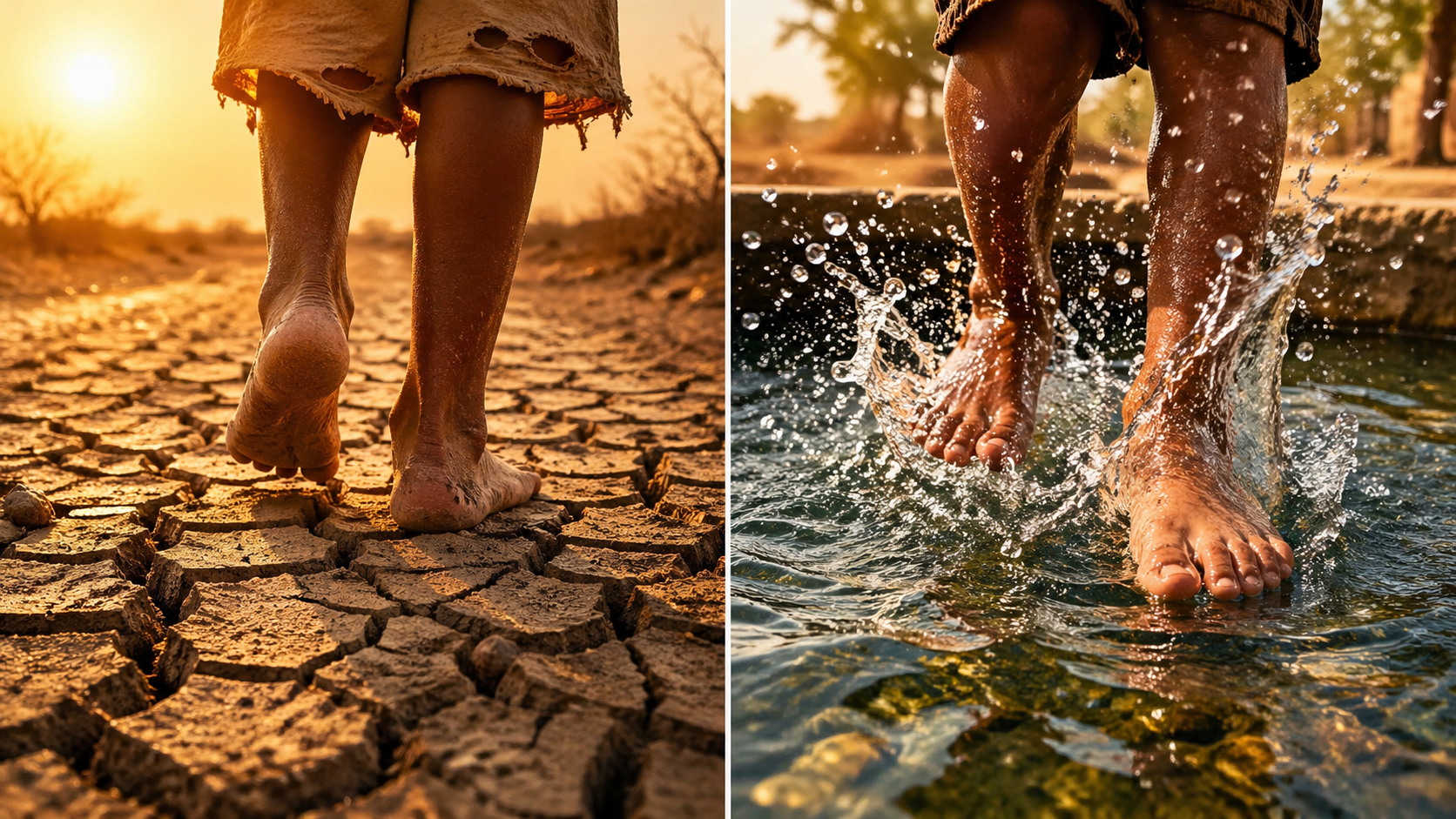
A well doesn't just change the water supply - it triggers a chain reaction:
- Health: Diarrheal diseases drop by up to 80 percent. Child mortality measurably decreases. The WHO estimates that every dollar invested in drinking water saves 4.30 dollars in healthcare costs.
- Education: Girls who no longer need to fetch water attend school. Education is the strongest lever against poverty.
- Economy: Women have time for productive work. Small businesses emerge, crop yields increase. Clean water isn't charity - it's economic infrastructure.
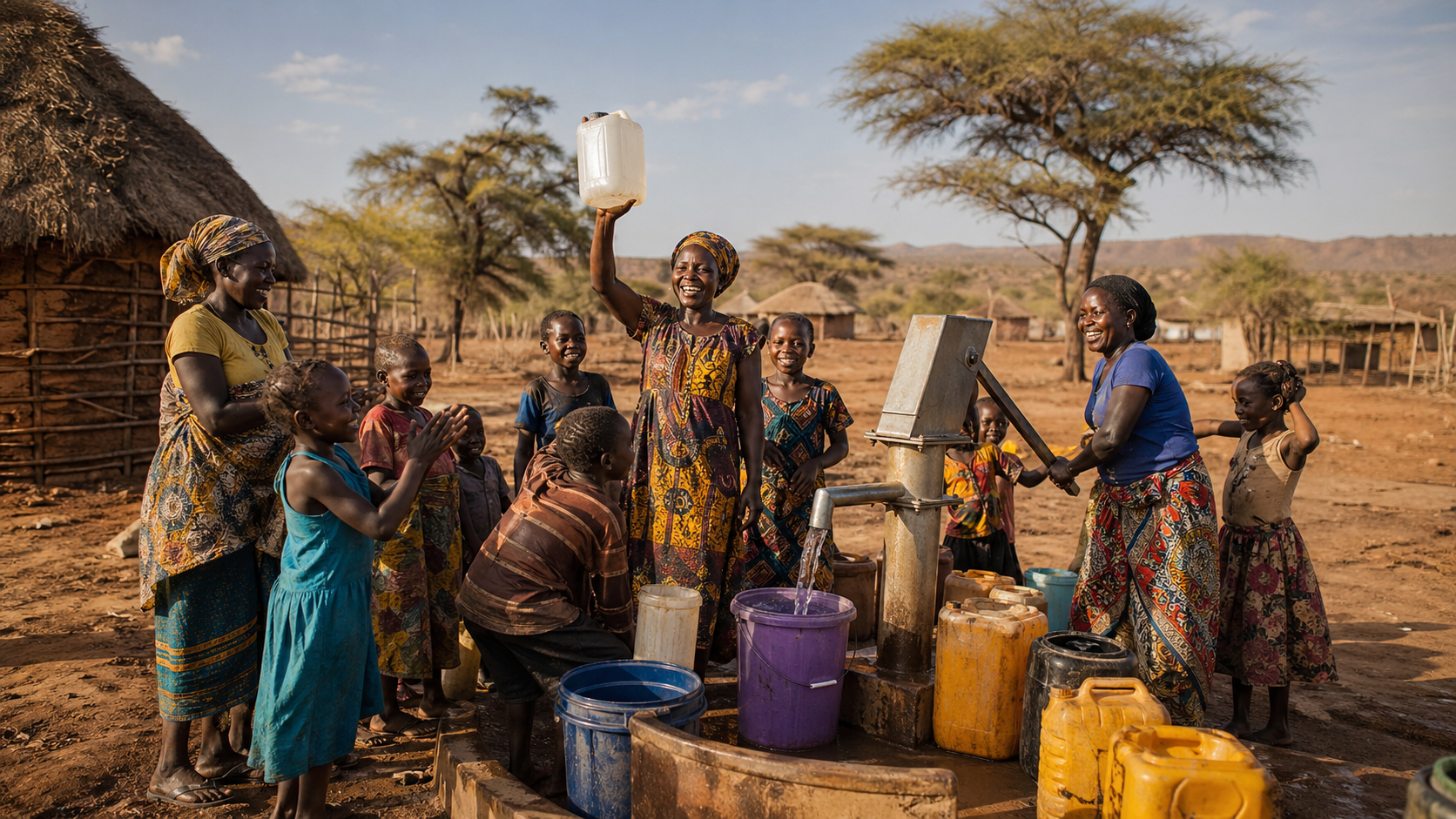
Viva con Agua has reached 3.8 million people through WASH projects. The impact of a single well radiates far beyond direct water access.
In Which African Countries Does Viva con Agua Build Wells?
Viva con Agua supports WASH projects in eleven African countries. Selection is based on need, political stability and available local partners.
| Region | Countries | Focus |
|---|---|---|
| East Africa | Uganda, Ethiopia, Kenya, Tanzania | Deep wells, rural communities |
| Southern Africa | Mozambique, Zimbabwe, South Africa, Malawi, Madagascar | Full WASH, schools, health centers |
| West Africa | Sierra Leone, Sudan | Emergency aid, reconstruction |
Uganda and Ethiopia are among the countries with the highest share of people without access to clean water. In Mozambique and Zimbabwe, Viva con Agua works on reconstruction after natural disasters. Sierra Leone and Sudan receive emergency aid in crisis regions.
How to Donate a Well - Step by Step
Financing a well is easier than you think. Here's the concrete process:
Learn more at vivaconagua.org
Visit vivaconagua.org and explore current projects, countries and well types.
Choose your donation amount
A simple hand pump well is possible from 1,500 EUR. Every amount counts - even 50 EUR flows into active projects.
Donate - online or by bank transfer
Viva con Agua offers a simple online donation form. Bank transfer, credit card or PayPal. For complete wells: contact the team directly.
Receive your donation receipt
From 300 EUR you automatically receive a tax-deductible donation certificate. For smaller amounts, the bank statement serves as proof.
Track the impact
Viva con Agua sends project reports and updates. For larger donations: GPS coordinates, photos and numbers on the community served.
For companies there are additional models: corporate donations, 'one euro per order' campaigns or corporate partnerships with visibility. Viva con Agua's corporate team advises on these options.
How Transparent Is Viva con Agua?
I don't donate a single euro without knowing where it ends up. Viva con Agua meets this standard: annual impact reports, open financial figures, independent audits by Welthungerhilfe. Larger donors receive individual reports with photos, GPS coordinates and concrete numbers. Everything is accessible at vivaconagua.org.
Viva con Agua in Numbers
3.8M
People reached
11
Countries in Africa
15,000
Volunteers
2006
Founded
Take Action: Donate a Well
A well costs less than you think and changes more than you can imagine. 750 to 1,800 people - with a single decision.
Donate now at Viva con AguaFrequently Asked Questions About Donating Wells in Africa
How much does it cost to donate a well in Africa? +
A well in Africa costs between 1,500 and 15,000 euros depending on the type. Simple hand pump wells range from 1,500 to 3,000 euros, solar-powered deep wells from 8,000 to 15,000 euros. Viva con Agua connects you with suitable projects.
How many people does a well in Africa supply? +
A single well supplies between 750 and 1,800 people with clean drinking water. The exact number depends on the well type, water extraction capacity and community size.
Is my donation to Viva con Agua tax-deductible? +
Yes. Viva con Agua de Sankt Pauli e.V. is recognized as a non-profit organization. Donations are tax-deductible in Germany. You automatically receive a donation receipt for amounts over 300 euros.
In which African countries does Viva con Agua build wells? +
Viva con Agua supports WASH projects in Uganda, Ethiopia, Kenya, Mozambique, Tanzania, Zimbabwe, Sierra Leone, Sudan, South Africa, Malawi and Madagascar - eleven African countries in total.
Who is Viva con Agua's partner for well projects? +
Viva con Agua works together with Welthungerhilfe (German Agro Action). Welthungerhilfe implements the WASH projects on the ground, while Viva con Agua handles fundraising and public outreach.
Can I finance an entire well as an entrepreneur? +
Yes. Entrepreneurs can specifically finance a complete well through Viva con Agua. A simple well is possible from 1,500 euros. You receive project reports and can track the impact of your investment.
How transparent is Viva con Agua with donation funds? +
Viva con Agua publishes annual impact reports and was awarded the German Founders Award in 2023. Founder Benjamin Adrion received the Federal Cross of Merit. The organization employs 42 staff and coordinates 15,000 volunteers.
How long does it take to build a well? +
Building a well takes between four weeks and six months depending on the type and region. Simple hand pump wells are completed faster, while solar-powered deep wells require longer planning and construction times.
What is the difference between WASH projects and pure well projects? +
WASH stands for Water, Sanitation and Hygiene. WASH projects include sanitation facilities and hygiene education alongside well construction. Pure well projects focus exclusively on drinking water supply.
Why Viva con Agua and not another organization? +
Viva con Agua combines proven impact (3.8 million people reached), strong partnerships (Welthungerhilfe), transparency and a unique community of 15,000 volunteers. Their own mineral water brand channels 60 percent of profits directly into projects.
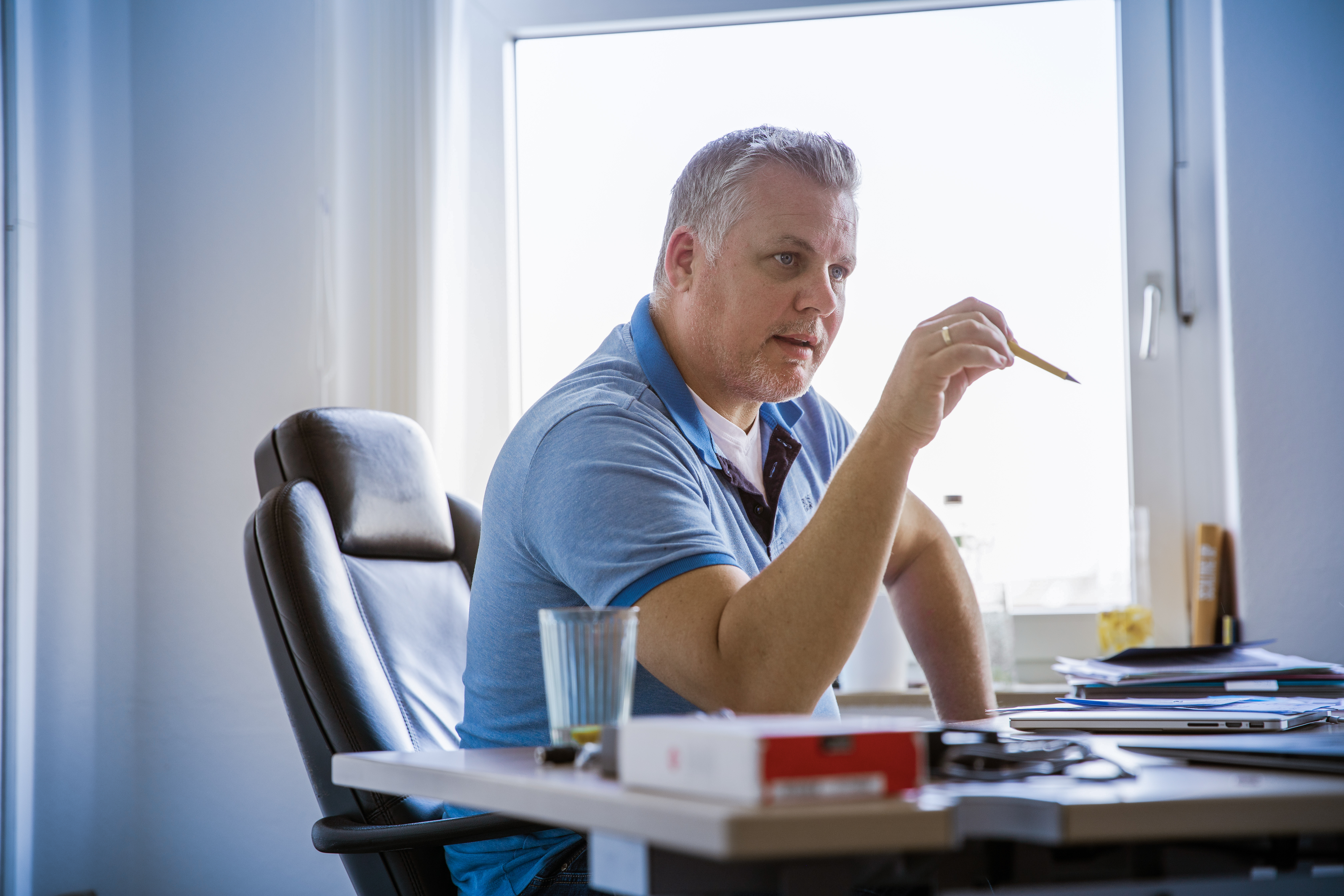
Maik Schwede
Entrepreneur for 30+ years. Met Viva con Agua on Necker Island and pledged to finance a well. Writing from conviction, not for marketing.
LinkedIn ProfileWater is a human RIGHT.
Yours, Maik